
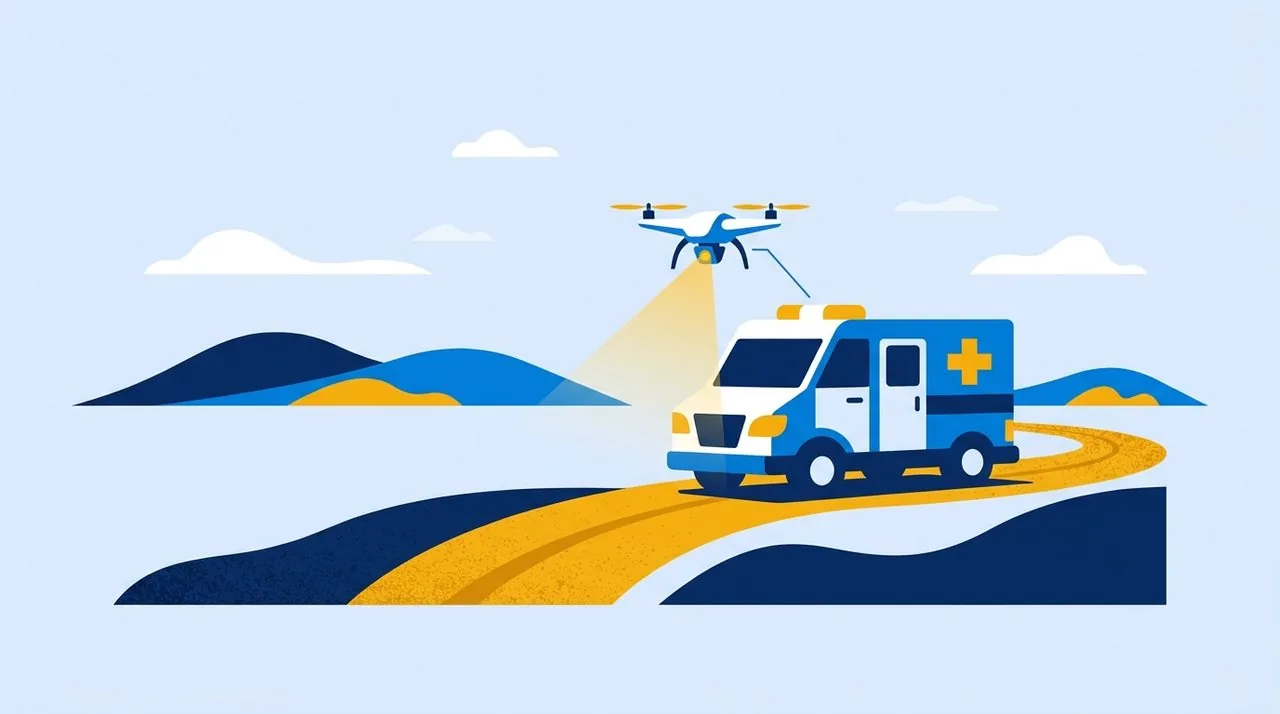
Risking It All to Help: Safe Routes for Humanitarian Missions
Delivering aid to frontline communities is complicated by the threat of mines. We explain how technology and remote reconnaissance save the lives of volunteers and local residents.
Delivering aid to frontline communities is complicated by the threat of mines. We explain how technology and remote reconnaissance save the lives of volunteers and local residents.

The lack of ventilation and water shortages in summer shelters increase the risk of infections. Hygiene kits are becoming a critical need to protect the population.
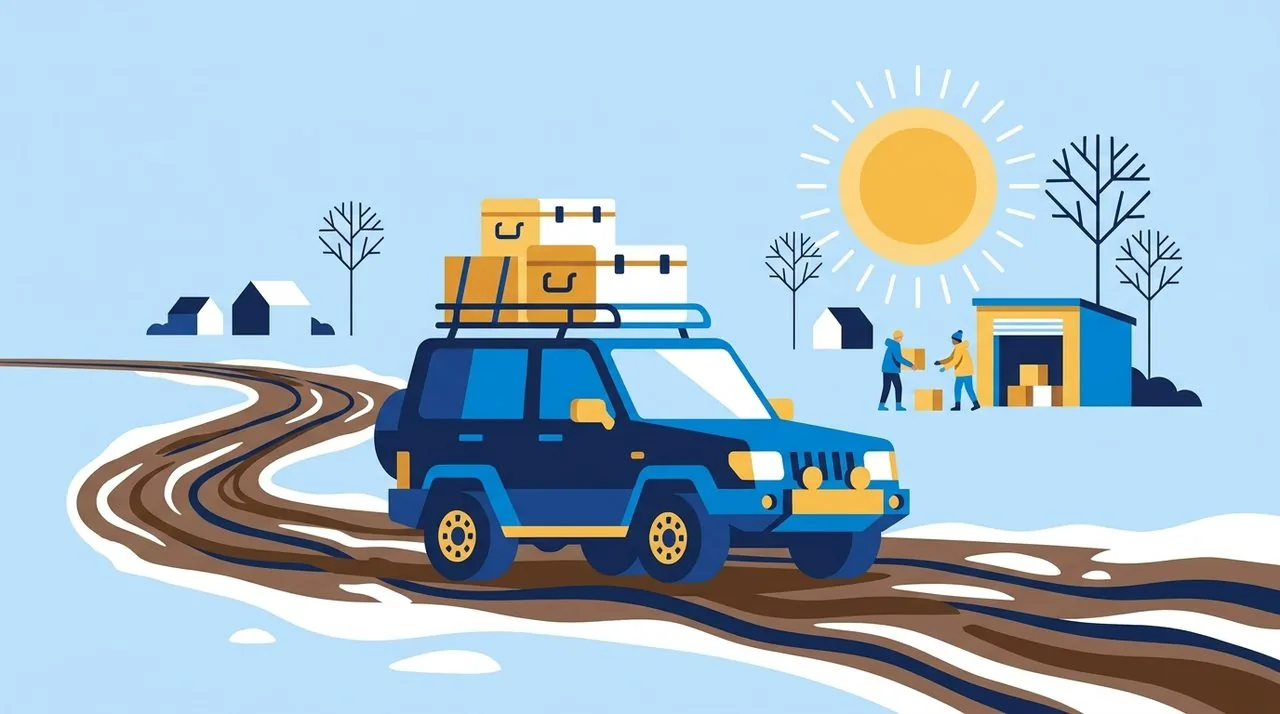
Destroyed infrastructure and harsh winter weather leave thousands of people without access to pharmacies. We explain how vital medicines are delivered in the most difficult conditions.
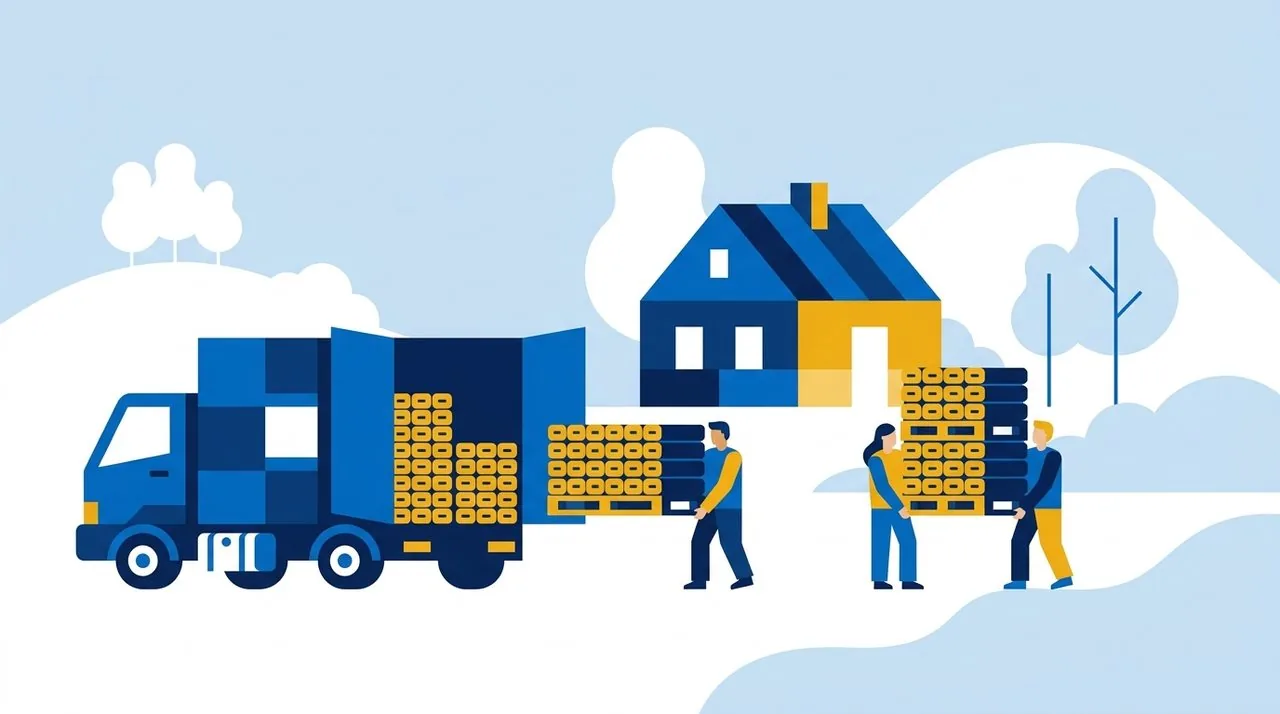
Destroyed gas pipelines force villagers to switch to solid fuel, but mined forest strips make firewood gathering deadly for civilians.

Spring fieldwork remains dangerous due to contaminated territories, while ruined logistics complicate access to food. Humanitarian missions are becoming the foundation of survival for villages.
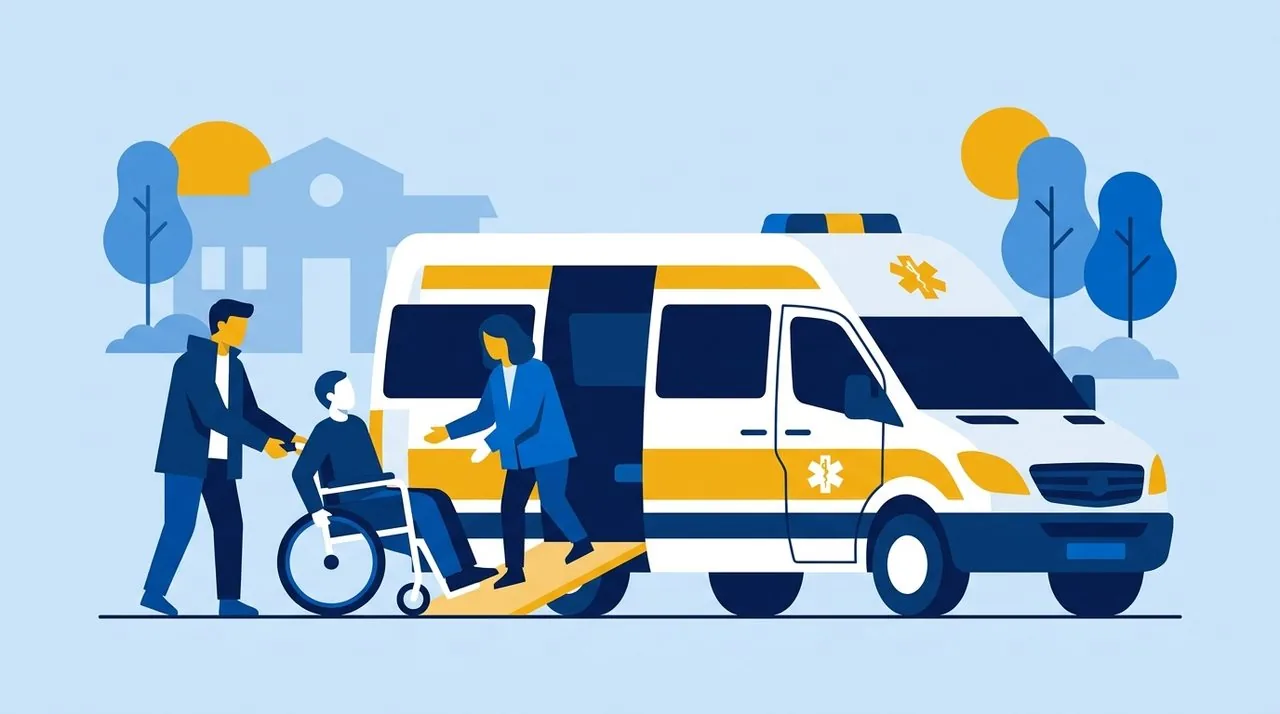
Evacuating people with limited mobility from under shelling requires specialized transport and medical escorts. How humanitarian logistics work to rescue the most vulnerable populations.
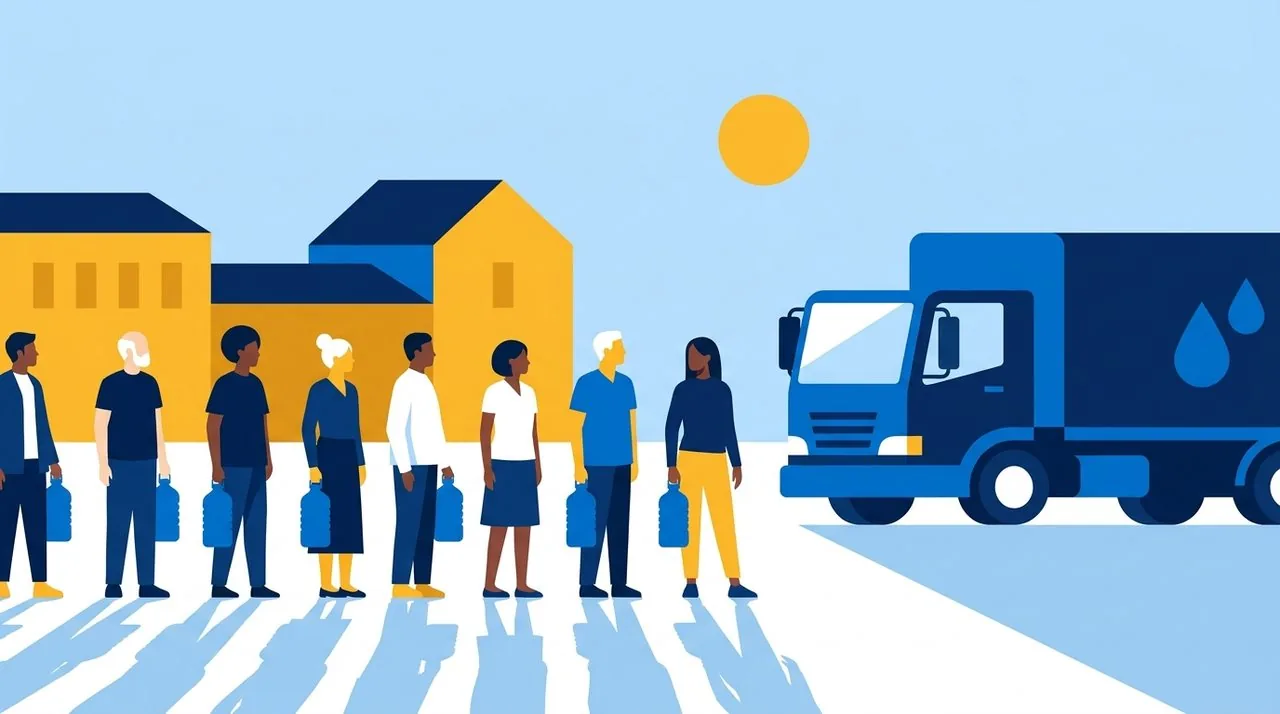
Destroyed water pipelines and summer heat are creating a critical water shortage in frontline cities. How logistics optimization helps prevent a humanitarian crisis.

Yellow-Blue and Transimpex joined forces for the humanitarian demining of war-affected areas of Ukraine.