
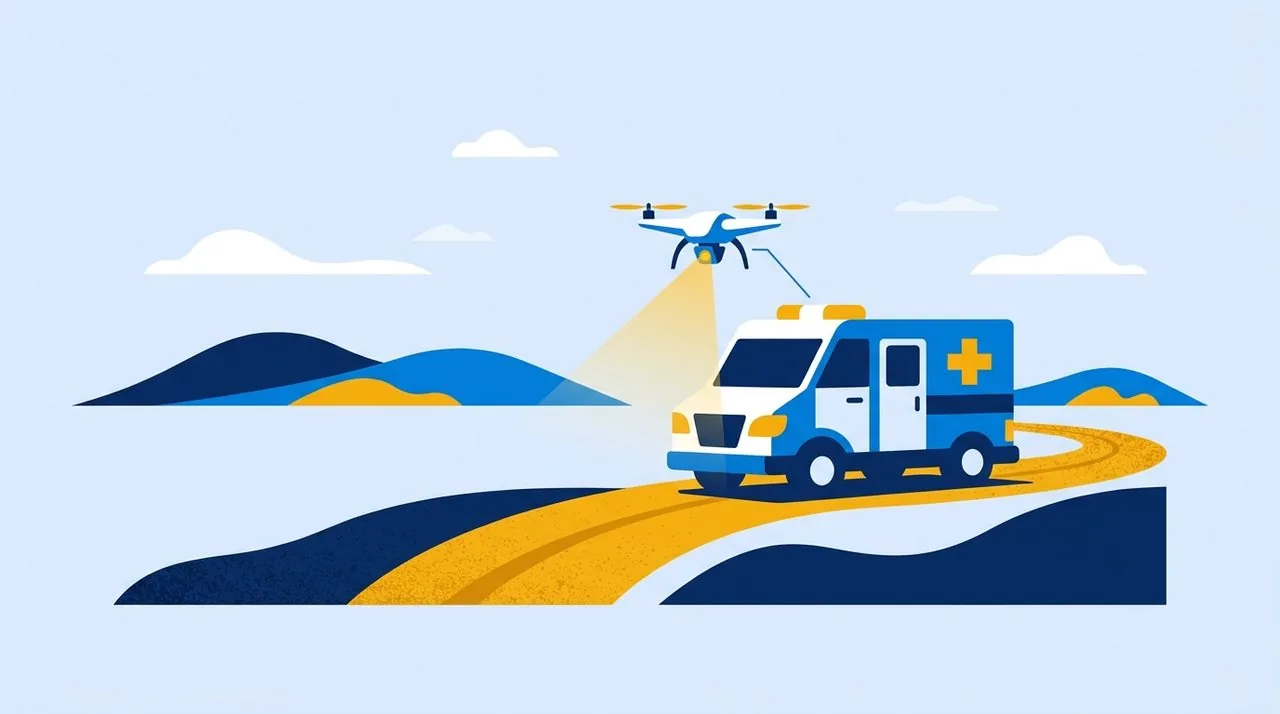
Risking It All to Help: Safe Routes for Humanitarian Missions
Delivering aid to frontline communities is complicated by the threat of mines. We explain how technology and remote reconnaissance save the lives of volunteers and local residents.
Delivering aid to frontline communities is complicated by the threat of mines. We explain how technology and remote reconnaissance save the lives of volunteers and local residents.

With the arrival of warm weather, the danger of hidden explosive ordnance rises rapidly. Thick grass turns roadsides and pastures into invisible traps for civilians.
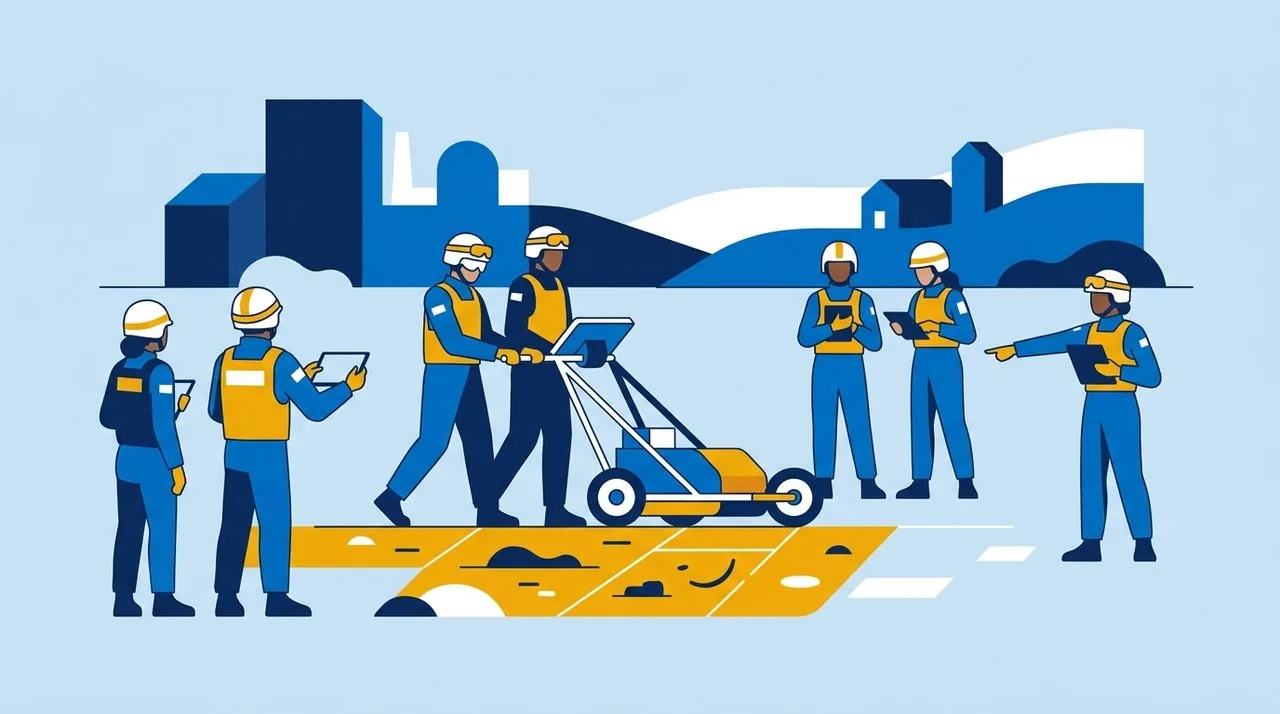
The scale of mined territories requires thousands of new sappers and analysts. High-quality specialist training takes months and requires access to modern technologies.

Returning to offline learning requires not only reliable shelters but also a complete check of adjacent territories and access roads for mine safety.
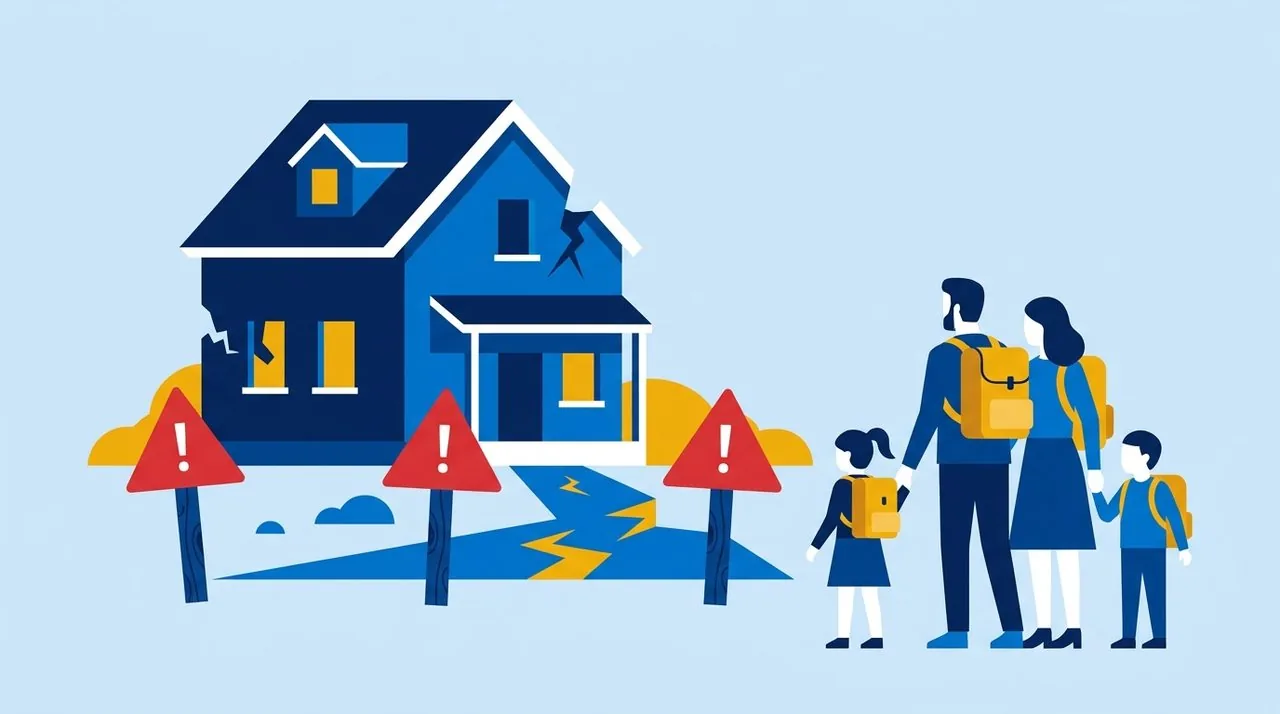
People are returning to liberated communities, finding ruins and booby traps instead of homes. The main priority becomes territorial safety and hazard marking.
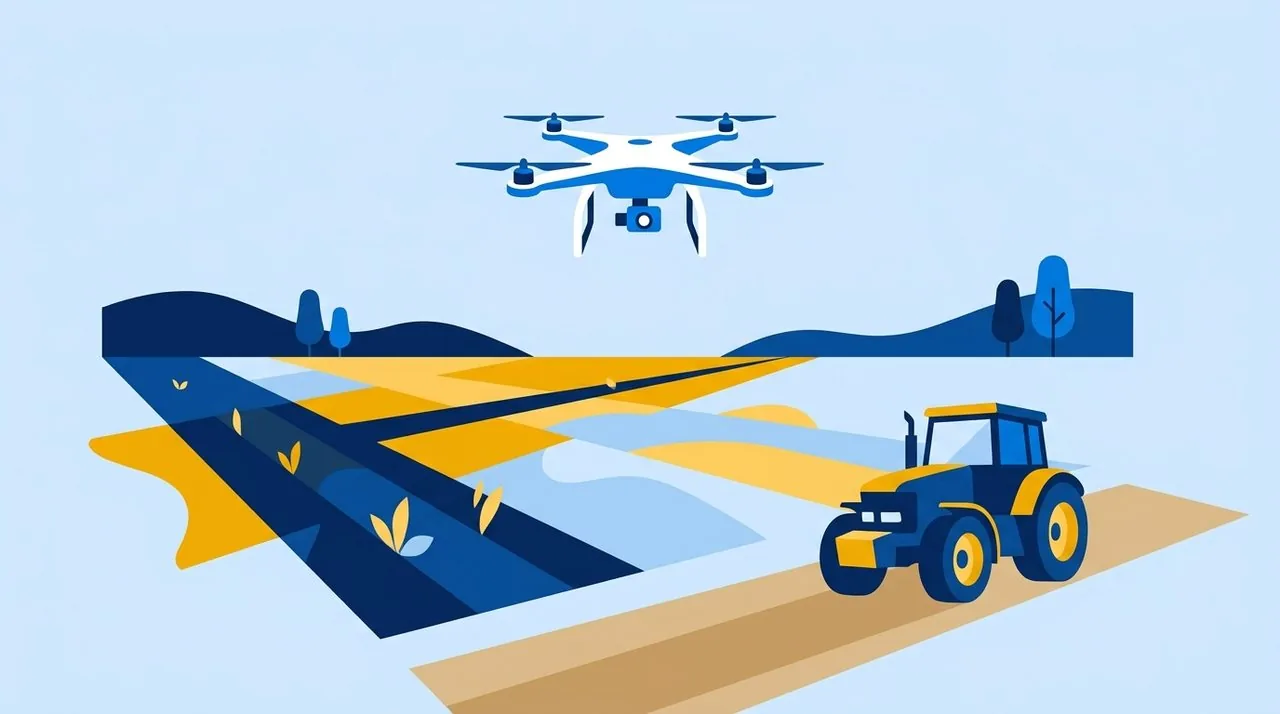
The spring campaign on liberated lands is accompanied by daily risk. Every hectare requires thorough inspection before farmers can begin fieldwork.
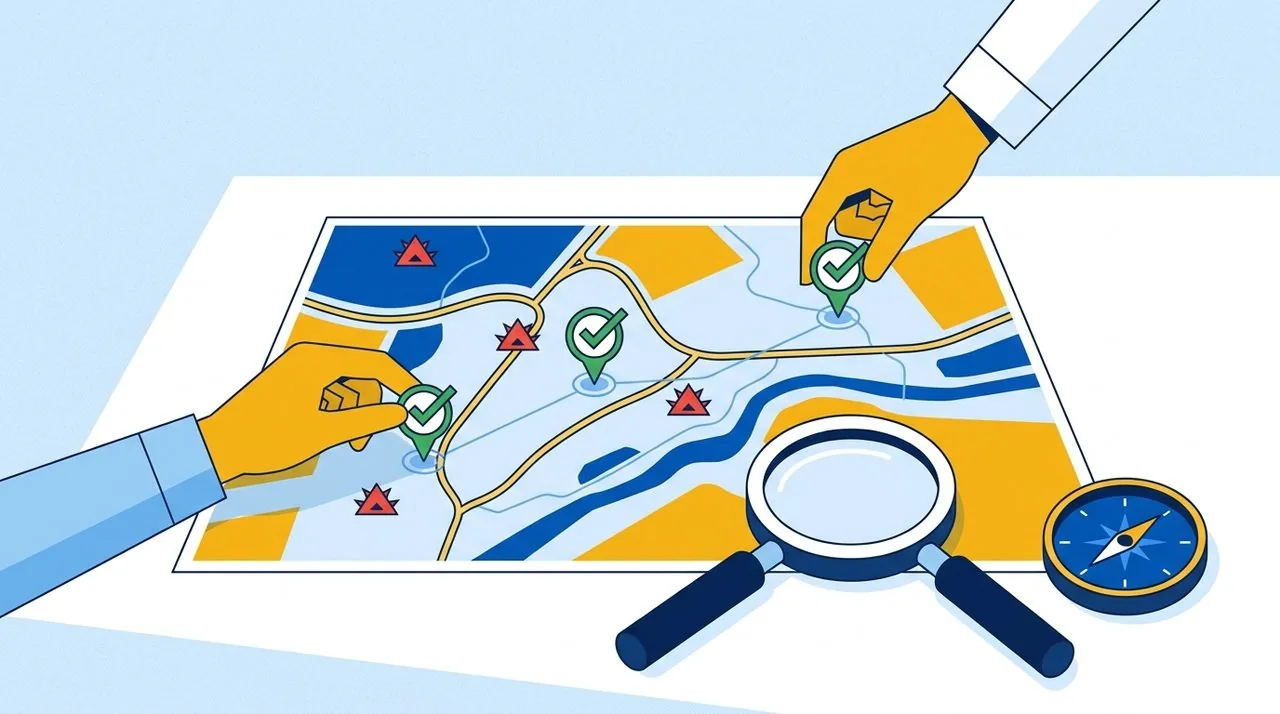
Mykhailo Vihovsky, co-founder of Intecracy Group and one of the fund's main donors, on the scale of the mine contamination problem.

Specialised drones can make humanitarian demining safer and more efficient.
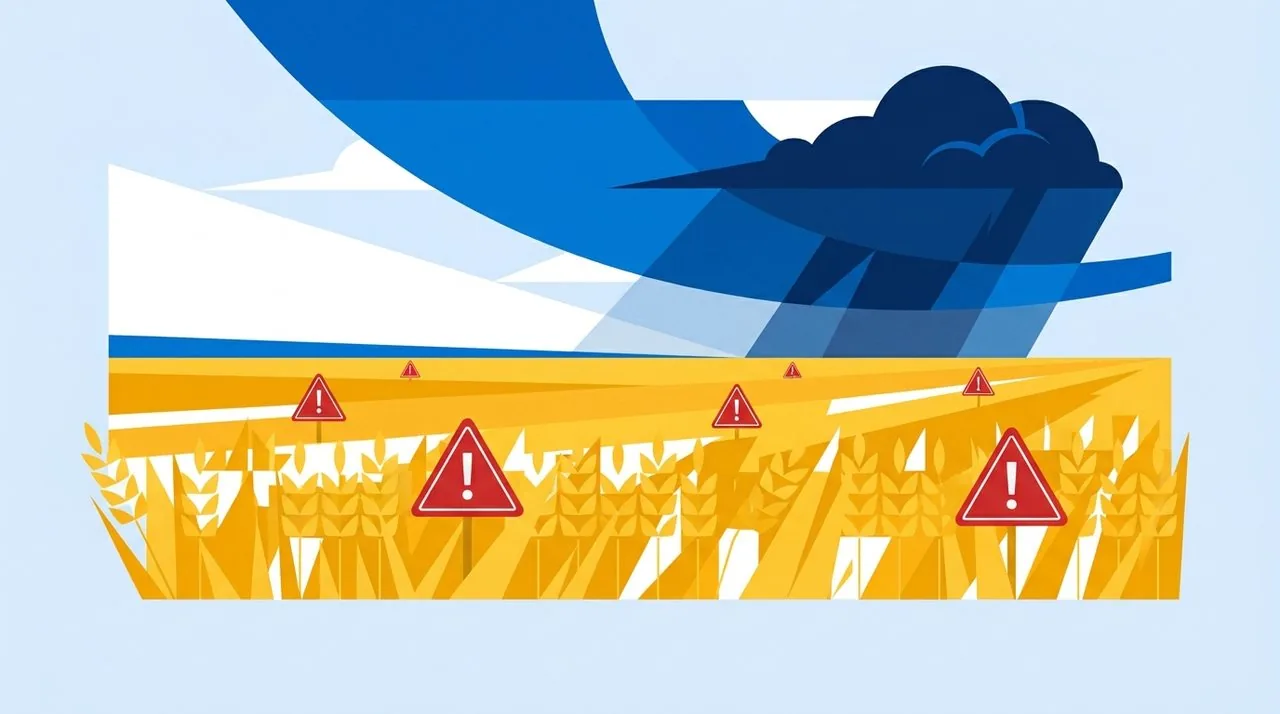
Mining agricultural and civilian areas creates a long-term humanitarian and economic threat.